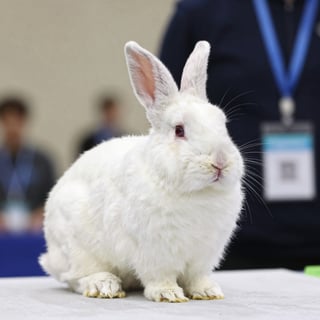
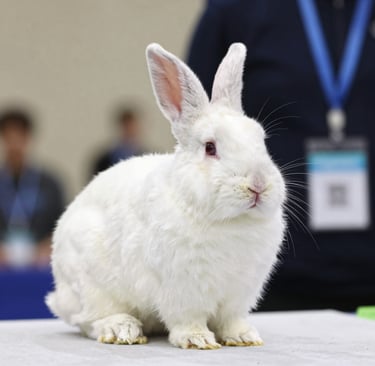
Is a Rabbit the Right Pet for You? Rabbits can make absolutely delightful pets, but as always, having the right expectations will help you develop a strong bond with your pet. Find out all you can about the care of pet rabbits as well as the pros and cons of pet rabbits before choosing one. Rabbits are very social as well as active and playful, forming a close bond with their owners. As long as you know what to expect from a pet rabbit, and it will have the potential to be a wonderful pet. Why Rabbits Can Make Good Pets? Rabbits are social and with gentle handling are generally quite tame. They are playful and entertaining to watch. Rabbits often form very close bonds with their owners. They can be litter trained. They also respond well to gentle training (try a clicker) and can be trained to do special behaviors and tricks. Rabbits can even be taught to run agility courses. What You Need to Know Before Deciding on a Rabbit: Being social, rabbits enjoy interaction with their owners and other rabbits. Rabbits are generally low maintenance pets They do need to chew, so lots of safe chew toys should be provided and any spaces where the rabbit's allowed to run must be carefully rabbit-proofed. Rabbits are generally quiet pets. Rabbits sleep during the day and will not disturb their owner at night. Rabbits are not a good match for active young children who may not be careful enough when picking them up or playing with them. It is best to purchase a Dwarf Holland Lop-eared rabbit from a good breeder. Purchasing a rabbit like any other pet should not be done on a whim. It's tempting to take home that cute ball of fluff you see at a pet store or hardware store around the Easter Holiday. This also applies to fairs. Bunnies mixed together can spread disease to one another. Even a single rabbit may be ill depending on where it originally came from. Many illnesses do not show signs or symptoms unless the rabbit gets stressed or as the rabbit ages. Rabbits being prey animals will hide illness. Beware of buying a bunny from a backyard breeder that only has a few rabbits and is not knowledgeable about breeding rabbits. Also, rabbits sold at fairs are often cast-offs that are unhealthy as they have been exposed to other rabbits that have diseases and parasites. There are rarely baby rabbits sold at arba or club shows. You would find adults for sale at these shows. Many breeders have a closed barn policy and do not sell to the public. You can talk to breeders at arab or club shows to see if they have any babies to sell that they have not brought to show. Research the different breeds of rabbits and decide which breed would suit your needs. Once you do decide that a Holland Lop rabbit is the right choice of pet you should look for a reputable breeder who has the knowledge to help you care for your new pet. The rabbitry should be clean and the rabbits all well cared for. Keep in mind that a group of rabbits kept in the barn will have dirt and stains on the cages. Bucks may have urine stains on their heads and faces which is a behavior bucks do to attract females to their scent. As long as the rabbits are not standing in urine or feces they will be fine. This is why breeders use stacking or hanging wire cages with pull out trays or a flush clean system. You may also find that the breeder uses outdoor cages with no tray or bottom allowing the droppings and urine to fall to the ground. If you cannot tour the rabbitry you can still tell if a rabbit is healthy by checking it over for signs of illness. It is wise to resist the temptation to adopt or purchase a sickly rabbit unless you are prepared for the possibility of expensive treatment and possible heartbreak if the rabbit should die. Good breeders should not sell sick or injured stock. We do not sell rabbits that are unhealthy. Here is some things to consider when purchasing a bunny: 1.Look at the overall body condition - the rabbit should be neither fat nor skinny, with no swellings. 2.The rabbit's coat should be well groomed, with no bare patches. Check for soiling around the rear end, as this may indicate a problem with diarrhea. Be aware that baby rabbits weaning from their mother may have feces on their bottoms from their mother no longer cleaning them. The baby bunny will outgrow this and start cleaning itself. 3.Look at the ears, they should be pink, not red, and free of discharge. The ear flaps shouldn't be damaged. 4.The eyes should be bright and free from discharge. Check the coat around the eyes for signs of wetness or tear staining. 5.Check the nose - it should also be free of discharge. 6.Try to get a look at the teeth, they should not be overgrown and should be well-aligned. Also check for wet or matted fur on the chin. 7.Observe the rabbit's breathing, which should be quiet and not labored. 8.Watch the rabbit move around - it should have no signs of lameness, stiffness, or reluctance to move around. 9.Look at the rabbit's surroundings - a rabbit kept in clean conditions, without crowding will have less exposure to stress and disease. 10.Observe how the rabbit reacts to people - ideally pick a rabbit that is relatively calm about being approached and petted When buying from a breeder, make sure they are breeding for a specific goal (e.g. Temperament and health).You should be offered feed and care instructions, a health guarantee and knowledgeable assistance with any possible health or behavior concerns that you might need assistance with. Holland Lops babies usually are sold between 6-8 weeks of age when they are weaned. The breeder should have been handling the babies since birth on a regular basis to get them used to being handled. We will turn the bunny onto it's back, gently stroking the cheeks, and holding it close each time it is handled which serves several purposes. This lets the bunny know that you are in control, as the dominant one, and also helps the bunny remain calmer while lessening it's fear of falling or being dropped. This practice also tends to assist in keeping the bunny calm, easier going and more enjoyable to handle as it matures,which is especially important when being held by younger children. Turning the bunny onto it's back, scolding and returning to it's cage also appears to be an excellent way to correct most behavior concerns. Positive training is always the best choice whenever possible. Buck or doe?: Probably the most common asked question. Many people have heard bucks make better pets because does become aggressive as their hormones kick in, or that bucks are generally more friendly than does. None of this can be further from the truth. The number one difference is the breeding. Find a breeder that considers personality as important at the breed standard itself. Many breeders while striving to produce excellent quality show animals, along the way either do not care or do not notice that personality is not taken into account. Also note how the animal has been raised. Has it been handled or has it been left in a cage without human interaction. A bunny's personality takes much more into account than his or her gender. Bunnies should never bite anyone although it might accidentally nip after smelling something tasty on fingers or clothing or if a doe has been handled just prior to handling a buck. This is a problem as the rabbit ages and not a problem with young Juniors under 4-5 months. Multiple Rabbits: Remember that each rabbit needs his/her own cage to rest in which is the rabbit's own territory. You can let out rabbits to play in an open area observing the rabbits to see if any fights break out. Once you are comfortable with the rabbits playing and getting along well together you can let them have fun in their play area or even the entire house! |

| Buying A Rabbit |
| © Bunny Trail Farm 2005. All Rights Reserved. |